19 Aug 2026
The Hidden Mechanics of Payment Gateways Shaping Live Dealer Sessions and Self-Exclusion Tools Under Nordic Oversight
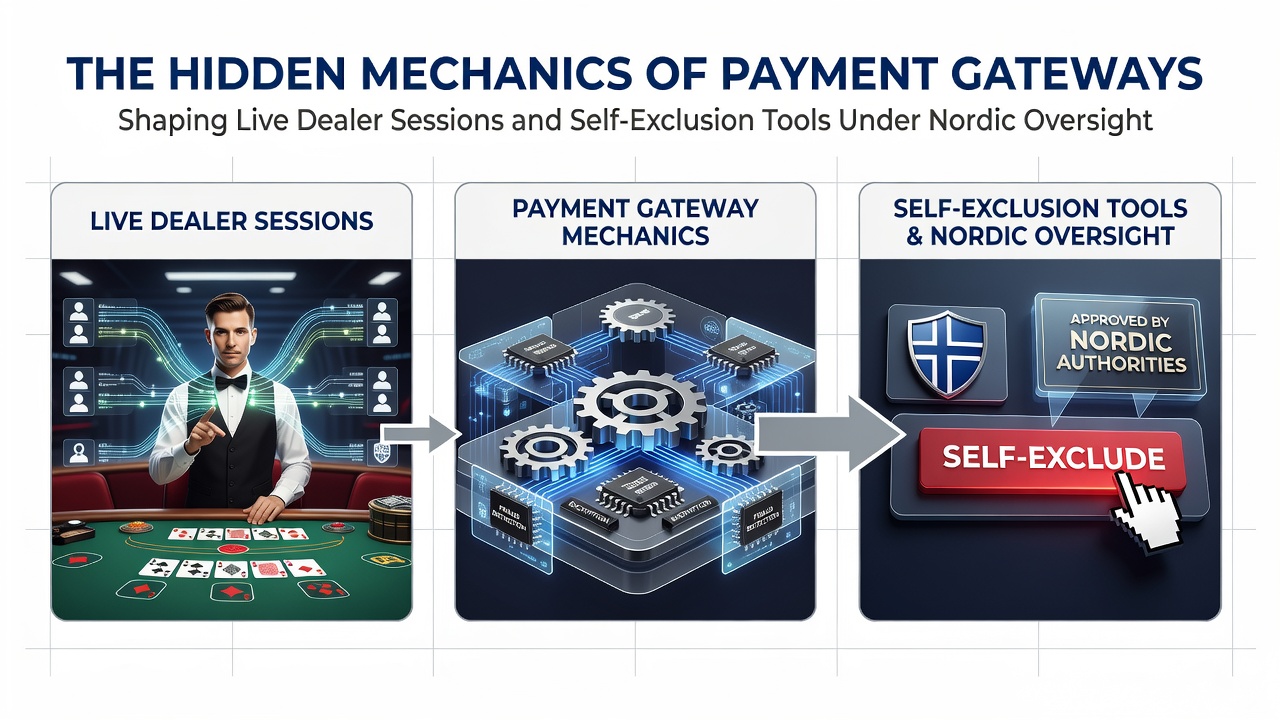
Payment gateways operate as the central infrastructure that processes real-time transactions during live dealer sessions while enforcing self-exclusion protocols across Nordic regulated markets, and these systems connect directly to national databases such as Spelpaus in Sweden and similar registers in Denmark and Norway. Operators must route every deposit and withdrawal through certified gateways that verify player status against exclusion lists before authorizing play, which creates a layered control mechanism that regulators monitor continuously.
Real-Time Transaction Processing in Live Dealer Environments
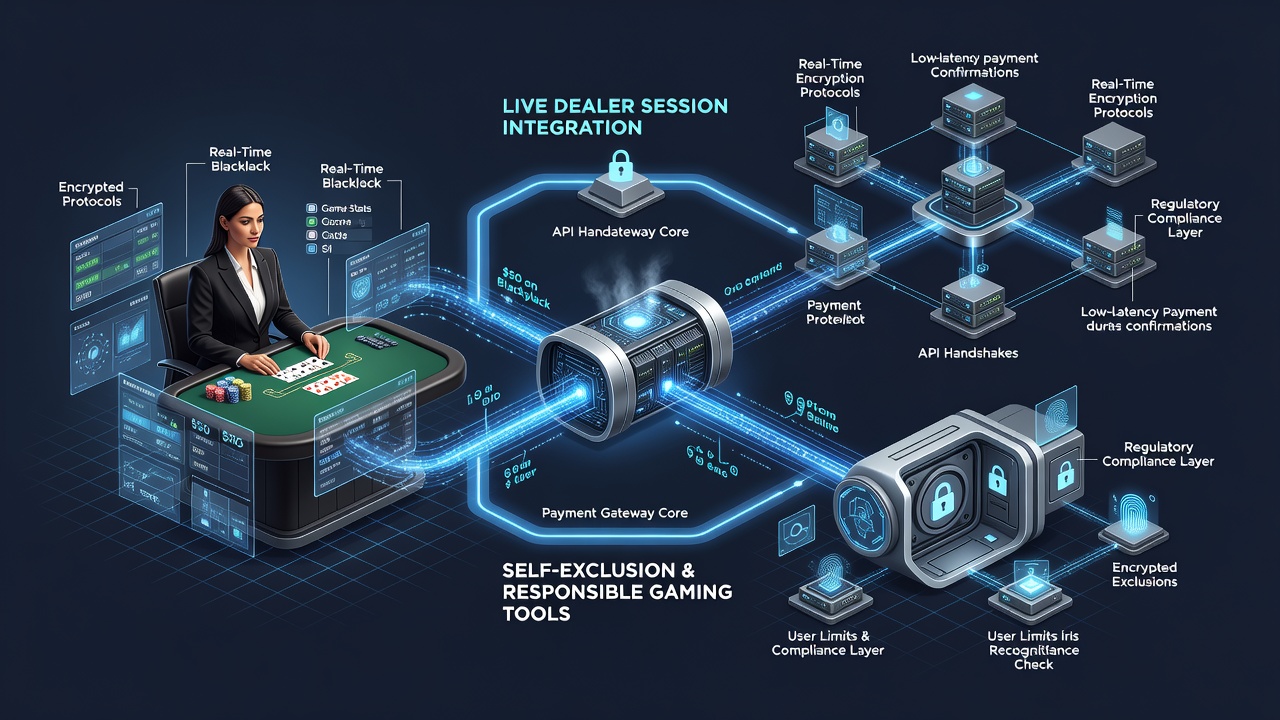
Live dealer sessions require instantaneous payment confirmations because gameplay unfolds in seconds, and gateways achieve this by maintaining direct API connections to banking networks and digital wallet providers that support instant authorization. When a player initiates a bet, the gateway queries the operator's backend and the national self-exclusion register simultaneously, then either approves or blocks the transaction within milliseconds. Data from the Swedish Gambling Authority shows that such integrated checks occur on millions of transactions monthly, with approval rates varying by provider compliance levels.
Gateways also handle currency conversion and tax reporting in Nordic jurisdictions where value-added requirements apply, and they log every action for audit trails that authorities review during routine inspections. Multiple Nordic operators have adopted tokenization methods that replace card details with unique identifiers, reducing exposure while maintaining seamless session flow for live tables featuring blackjack, roulette, and baccarat.
Integration with Self-Exclusion Databases
Self-exclusion tools under Nordic oversight rely on payment gateways to act as enforcement points because financial blocks prove more immediate than software restrictions alone. In Sweden the Spelpaus register feeds directly into gateway protocols, so any attempt to fund an account by an excluded individual triggers an automatic rejection and a notification to the operator. Similar mechanisms exist through Denmark's Spillemyndigheden framework and Norway's state-controlled systems, where gateways perform cross-checks at the point of transaction rather than at login.
Researchers at the University of Helsinki documented how these gateway-level interventions reduced repeat access attempts by excluded players in a 2025 study that examined transaction logs from multiple licensed sites. The study found that gateways flagged and stopped over 92 percent of prohibited funding requests before they reached the live dealer platform, demonstrating the practical impact of technical integration.
Regulatory Requirements and Technical Standards
Nordic regulators mandate that all licensed payment gateways undergo regular penetration testing and maintain certification under standards such as PCI DSS alongside local gambling-specific requirements. The Danish Gambling Authority, for instance, requires quarterly reports on gateway performance metrics that include transaction latency, error rates, and exclusion enforcement statistics. These reports feed into broader compliance evaluations that can result in license conditions or penalties when thresholds are breached.
August 2026 marks the scheduled rollout of updated technical guidelines from the Nordic Council of Ministers that will require gateways to support standardized API endpoints for real-time exclusion status across all participating countries. Operators and gateway providers have already begun preparatory work to ensure compatibility, with pilot programs underway in select Swedish and Finnish markets. This harmonization aims to close gaps that currently exist when players move between jurisdictions while remaining subject to different national registers.
Data Flows and Security Protocols
Every payment transaction in a live dealer session generates a data packet that travels through encrypted channels from the player's device to the gateway, then to the operator's risk engine and the relevant national database. Gateways employ end-to-end encryption and behavioral analytics that flag unusual patterns, such as rapid successive deposits followed by immediate withdrawals, which may indicate attempts to circumvent exclusion rules. Observers note that these analytics layers operate in parallel with the core transaction processing, adding milliseconds to approval times but significantly increasing detection accuracy.
Industry reports from the European Gaming and Betting Association highlight that Nordic markets lead in gateway sophistication compared with other regions, largely because of the strict separation between operator systems and payment infrastructure required by law. This separation prevents operators from storing sensitive financial data on their own servers, shifting responsibility and liability to certified gateway providers that maintain independent oversight.
Conclusion
Payment gateways function as both facilitators and gatekeepers in Nordic live dealer environments by combining rapid transaction handling with mandatory checks against self-exclusion databases. Their technical architecture directly supports regulatory goals of preventing unauthorized play while enabling compliant operators to deliver uninterrupted sessions. Continued updates scheduled for 2026 will further standardize these processes across borders, strengthening the existing framework without altering its core reliance on gateway-level controls.